


Venture capital, much like the erratic nature of weather, can feel eerily quiet before suddenly flooding with opportunities. This dynamic was notably observed by Casey Flint and others during recent discussions in the industry. A fascinating trend emerging in Australia’s startup landscape is the return of talented individuals from overseas. Casey noted exciting investments where founders, particularly in AI, have returned from the US to settle in Australia, signalling a promising shift in the ecosystem.
However, valuations for top-tier founders didn't experience the anticipated drop. Despite expectations, valuations remained robust, which can be a boon in the short term but might pose challenges if the anticipated progress doesn't materialise.
Alezeia Brown, echoing these sentiments, highlighted the importance of solid market evidence for sustained growth. Investments without substantial market evidence could impact future fundraising rounds negatively. She emphasised the investors' focus on traction, derisking technology, and market opportunities, observing an uptick in businesses addressing global issues like climate change.
The conversation also touched on the investment landscape, ranging from hardware ventures to supporting academics in commercialising their research. Casey reflected on the need for better systems to support researchers in commercialising their work, a sentiment echoed by Cheryl Mack, who heard similar concerns from founders burned by university equity deals.
Key Takeaways:
Founder Referrals as a Strategy: Building rapport with founders, whether investing or not, can yield future referrals and maintain a positive ecosystem.
Varied Approaches in Deal Sourcing: Different VC firms employ distinct strategies, from thematic investments to deep technical engagements, aligning with their strengths and interests.
The Power of Relationships and Communities: Networking among operators, exploring thematic communities, and connecting with experts in niche fields can yield valuable deal flow.
LinkedIn's Underestimated Power: Leveraging LinkedIn's Sales Navigator, albeit a paid feature, can offer alerts on title changes, aiding in early connections with potential founders.
Market Evidence and Thematic Investments: Investors' focus on market traction and thematic investments addressing global challenges indicates an evolving landscape.
Passion and Knowledge: Demonstrating genuine passion and deep knowledge in a particular domain, whether it's AI, disability-focused businesses, or competitive strategy, significantly impacts interactions with founders. Founders appreciate engaging with investors who have authentic expertise and passion in their area of interest.
Syndicate Value Proposition: Defining the unique value proposition that a syndicate brings to the table is crucial. Whether it's specialized skills, a network of connections, or a deep understanding of specific industries, showcasing these strengths attracts the right companies and founders.
Partnerships and Co-Investment: Building relationships with major funds and regularly connecting with co-investors can offer insights into early-stage opportunities. Collaborating with accelerators or university-linked programs can provide access to nascent startups.
As the venture capital world evolves, strategies for sourcing deals and assessing valuations continue to adapt. While valuations for top-tier founders persist, the emphasis on tangible market evidence grows stronger. Nurturing relationships, exploring thematic investments, and leveraging tools like LinkedIn offer insights and connections crucial for a thriving VC ecosystem.
...
Watch the full recording:
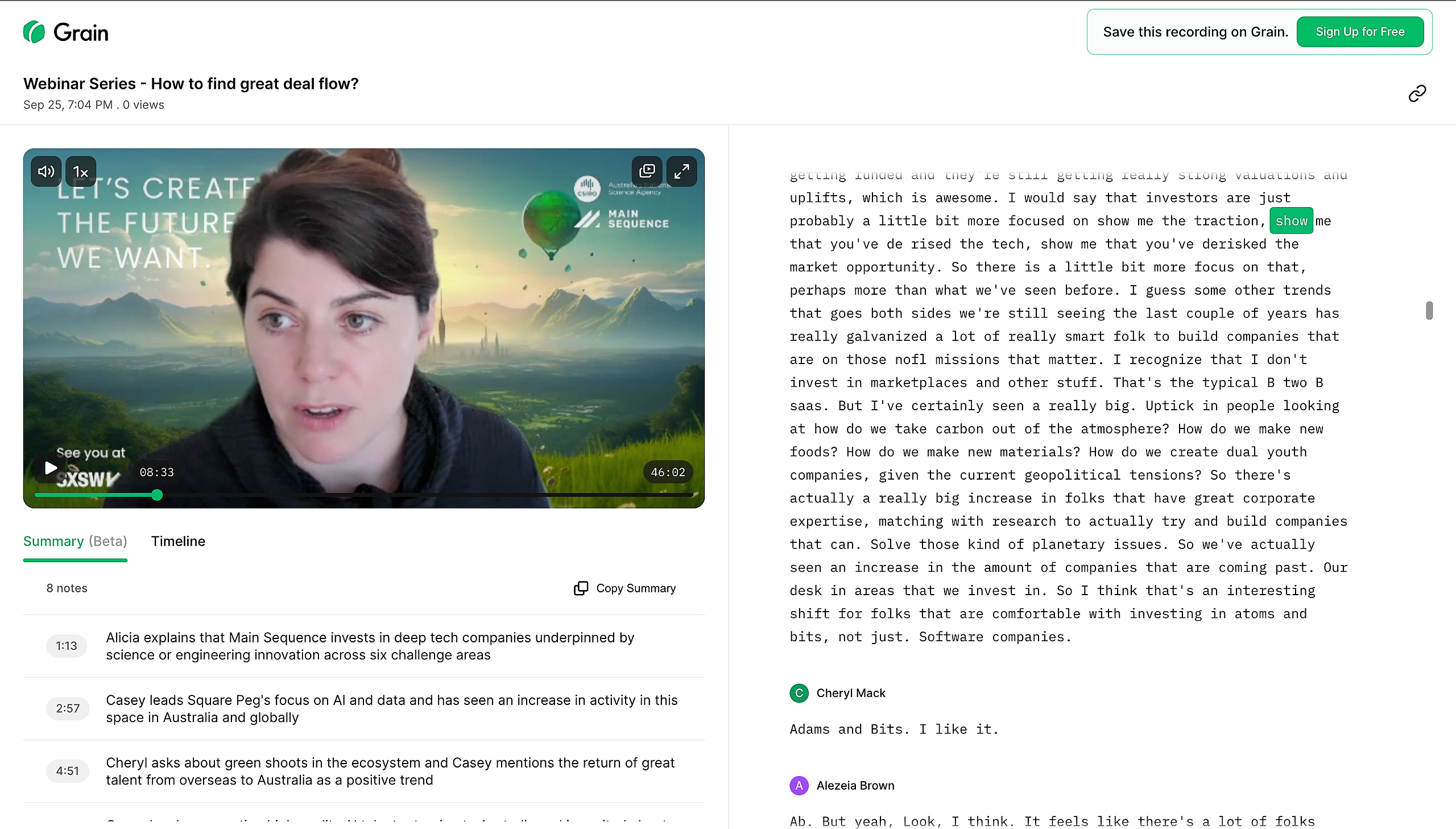
Click image to watch video, or access via this link: https://drive.google.com/file/d/1NJzojYnbzyklqUOkygVqJ1NvTo0kYNxT/view?usp=drive_link
...